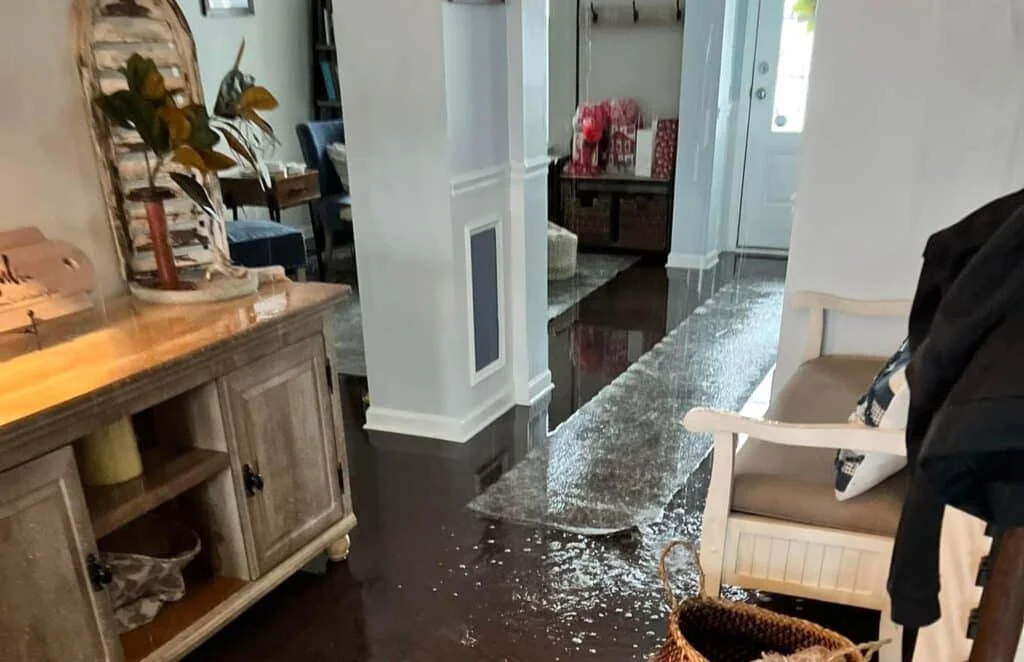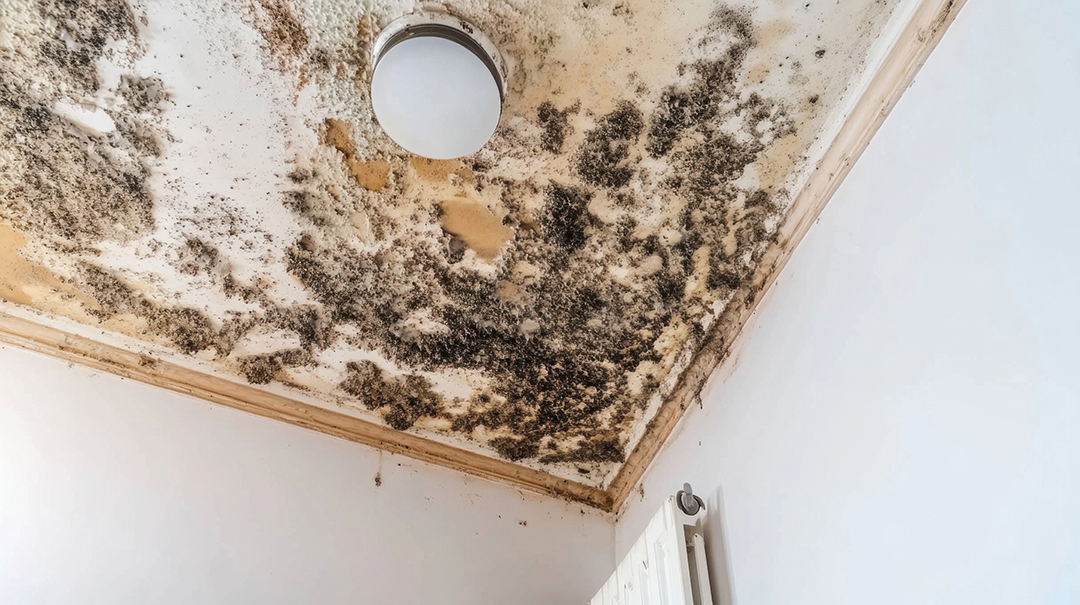
The useful work happens in May, the decisions happen in a 72-hour window, and the money is won or lost in the 48 hours after the wind stops.
What a season actually looks like
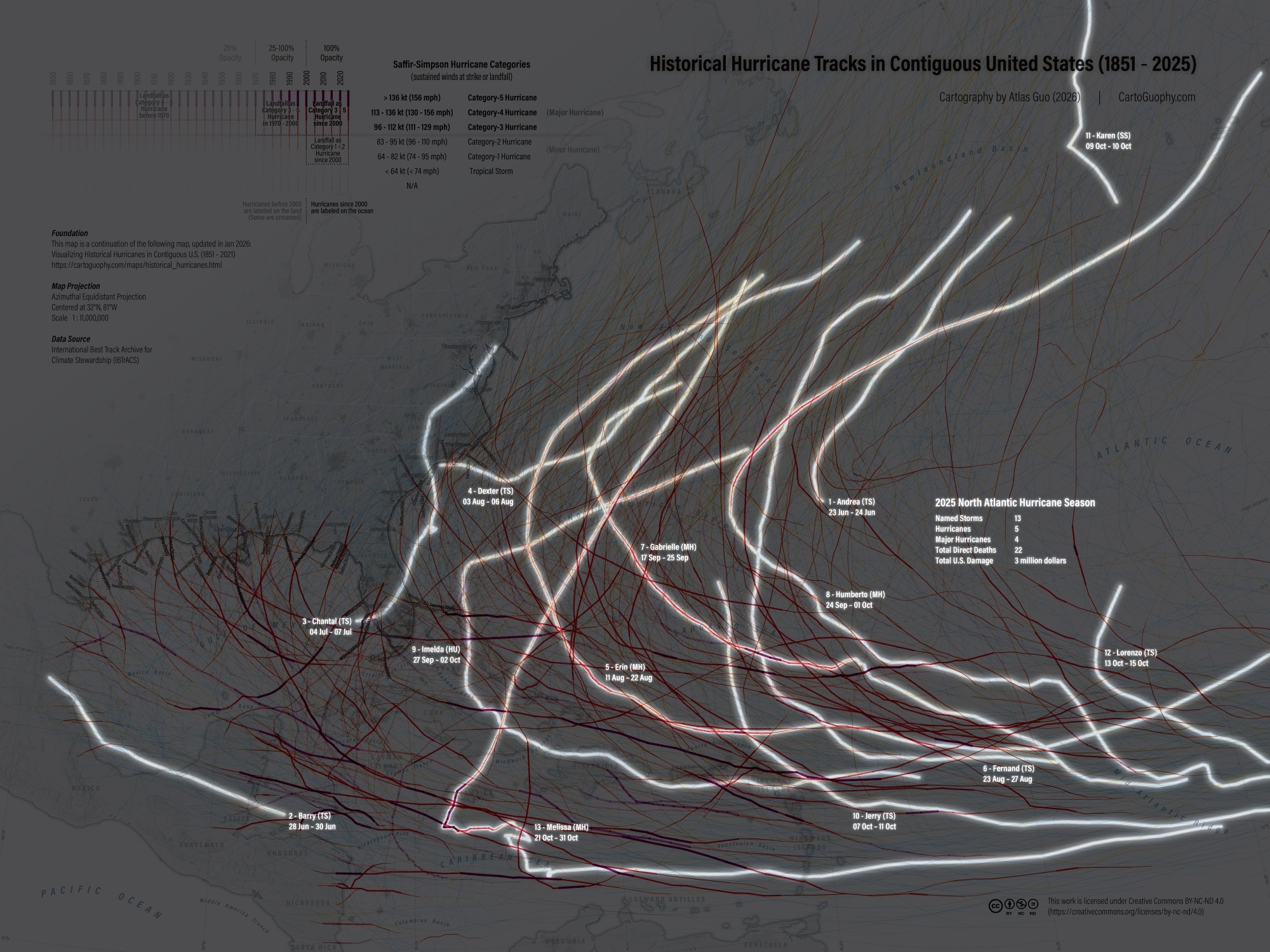
The Atlantic hurricane season runs from 1 June to 30 November, with activity concentrated between mid-August and mid-October. That is the calendar. The operational reality for a property owner is different: the useful work happens in May, the decisions happen in a 72-hour window before landfall, and the money is won or lost in the 48 hours afterwards.
Storms are categorised on the Saffir–Simpson scale by sustained wind speed, but wind is not what causes most damage or most deaths. Storm surge and inland flooding are. A slow-moving Category 1 that stalls over a watershed can cost more than a fast Category 3 that crosses a coast in four hours.
| Category | Sustained winds | Typical building impact |
|---|---|---|
| 1 | 74–95 mph | Roof covering, gutters, siding, vinyl; tree limbs down |
| 2 | 96–110 mph | Major roof and siding damage; extended power loss |
| 3 | 111–129 mph | Roof decking and gable ends removed; water intrusion widespread |
| 4 | 130–156 mph | Severe structural damage; most of the area uninhabitable for weeks |
| 5 | 157+ mph | Total roof failure and wall collapse on many buildings |
May: the month that decides your October
Everything on this list is cheaper, easier and available before the season. During a warning, none of it is.
Building envelope
- Roof inspection. Have loose or lifted shingles secured and flashing checked at every penetration. Most water intrusion starts at a detail, not the field of the roof.
- Openings. Confirm shutters fit, panels are labelled by opening, and the hardware is present. A shutter panel that fits the wrong window is scrap metal on the day.
- Garage door. The largest opening in most homes and the most common catastrophic failure point. Bracing kits cost a few hundred dollars; losing the door usually means losing the roof.
- Soffits and vents. Wind-driven rain enters through soffits far more often than through the roof surface.
Water management
- Clear gutters and downspouts; extend discharge at least six feet from the foundation.
- Check that grading slopes away from the building.
- Test the sump pump and buy a battery backup — power fails exactly when the pump is needed.
- Install or verify backflow prevention on sewer connections in flood-prone areas.
Grounds
- Trim branches away from the roof and service lines; remove dead trees entirely.
- Identify everything that becomes a projectile: furniture, planters, grills, signage, trash bins.
The flood-policy waiting period
NFIP flood policies typically carry a 30-day waiting period before coverage takes effect. Buying one when a storm is named is buying it for next year, not this one.
72 hours out: the decision window
When a watch is issued for your area, you are inside the window where preparation still works and evacuation is still comfortable. Work in this order.
72 hours
- Fuel every vehicle and any generator cans. Stations run dry and lose power.
- Refill prescriptions; buy a week of shelf-stable food and one gallon of water per person per day.
- Photograph or video every room, every wall, and the contents of closets and cabinets. This is your pre-loss condition record and takes 20 minutes.
- Scan or photograph the policy declarations, deed, IDs, and medical records; store them in cloud storage and on a USB drive you carry.
48 hours
- Install shutters or panels. Do not wait for the wind.
- Brace the garage door.
- Bring in or tie down everything outdoors.
- Move valuables and irreplaceable items to the highest interior floor, away from windows.
- Freeze water bottles to extend refrigeration during outage; set the fridge to its coldest setting.
24 hours
- If you are evacuating, leave. Traffic and fuel become the constraint, not the storm.
- Turn off propane at the tank. Consider shutting the main water valve.
- Charge every battery bank and device; withdraw cash — card networks fail with the power.
- Elevate appliances and electronics onto blocks or upper floors if surge or flooding is forecast.
During landfall
Shelter in an interior room on the lowest floor above any flood risk, away from windows — typically a bathroom, closet or hallway. Keep shoes on. Keep a helmet or thick blanket accessible if you have one.
The eye is not the end. The calm at the centre can last from a few minutes to half an hour, and the winds that follow arrive from the opposite direction — which is precisely why structures already weakened in the first half often fail in the second. Do not go outside during the eye.
Generator carbon monoxide
Portable generators kill people every single storm season, almost always through carbon monoxide. Never run one in a garage, breezeway, porch or within 20 feet of any window or door — including a neighbour's. Install a battery-powered CO alarm on every level.
The first 48 hours after: what actually matters
The post-storm period is where most avoidable losses occur — from delay, from fraud, and from injury.
Safety sweep
- Treat every downed line as live. Report and stay 30 feet clear.
- Smell gas? Leave immediately, do not operate switches, call the utility from outside.
- Do not drive through standing water. Six inches stalls most cars; twelve inches floats them.
- Assume flood water is Category 3 — contaminated. Boots, gloves, no bare skin.
Document before you clean
Photograph everything, including the exterior from all four sides, the roof from ground level, and every wet room. Only then begin removing water and separating damaged contents. Do not dispose of anything until it is photographed and inventoried — keep a small sample of damaged flooring or fabric if you can.
Temporary repairs are your duty and your right
Policies require you to prevent further damage. Tarping a roof, boarding a window and extracting standing water are all reimbursable mitigation. Keep the receipts and photograph the work.
Storm-chaser contractors
After every landfall, out-of-state crews arrive with door-to-door offers, large deposits and no local licence. Verify the state licence number, confirm insurance directly with the insurer, never pay more than a reasonable mobilisation deposit, and never sign a document that assigns your insurance benefits without reading exactly what you are giving away.
For businesses: the continuity layer
Commercial properties have a second clock running: revenue. A restaurant closed for three weeks may not reopen at all. Three preparations make the difference.
- A pre-negotiated response agreement. Signing a priority-response agreement with a restoration contractor before the season puts you at the front of the queue when every property in the county calls the same morning.
- Business interruption documentation. Know your policy's waiting period (often 48–72 hours) and keep the previous 24 months of revenue records accessible off-site — that is what the claim is calculated from.
- A staff and supplier contact tree stored somewhere other than the office server.
The season checklist
| When | Action |
|---|---|
| May | Roof, shutters, garage bracing, tree work, gutters, sump pump, flood policy purchase |
| 1 June | Supply kit assembled; documents scanned; property video recorded |
| Watch (48–72 h) | Fuel, medication, food, water, shutters up, yard cleared |
| Warning (36 h) | Evacuate if ordered; utilities off; valuables elevated; devices charged |
| Landfall | Interior room, away from windows, ignore the eye |
| +48 h | Safety sweep, photograph everything, temporary repairs, claim opened, contractor verified |
None of this is exotic. It is a list, done in May, that turns a catastrophe into an inconvenience.
Dealing with this right now?
Our dispatch desk is staffed 24/7. Call +1 888-216-6362 or request an appointment and a coordinator calls you back in minutes.