
Emergency board-up & tarping
Openings secured and roofs tarped the same day to keep weather and people out and satisfy your policy's mitigation duty.
Board-up the same night, soot removal matched to the residue type, contents restored off-site, and odour eliminated at the source rather than masked.
A fire leaves three separate problems behind: what burned, what the smoke coated, and what the suppression water soaked. Most of the cost sits in the second and third. Soot residues are acidic and start etching glass, pitting metal and staining plastics within days, which is why the first 48 hours matter as much here as in a water loss.
We secure the structure, treat the suppression water as a water loss in its own right, identify the residue type before choosing a cleaning method, and run a four-stage odour protocol that ends with sealing — never begins with it.
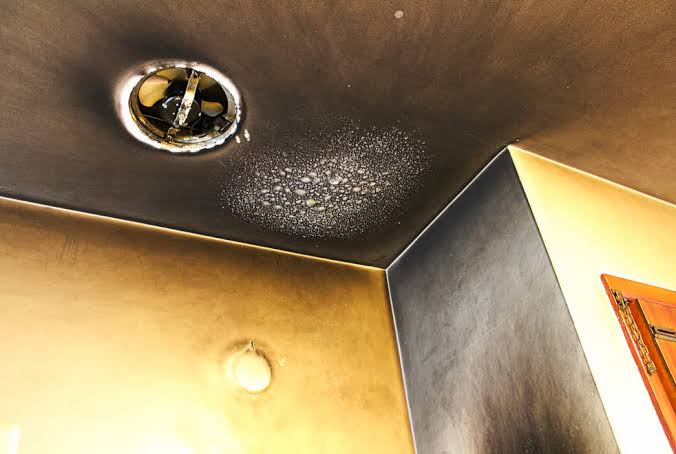
Openings secured and roofs tarped the same day to keep weather and people out and satisfy your policy's mitigation duty.
Hose and sprinkler water extracted and dried immediately so a mold problem does not land on top of the fire.
Dry smoke, wet smoke, protein residue and fuel-oil soot each get their own method and chemistry.
Inventoried, barcoded and processed off-site: ultrasonic cleaning, textile restoration and document freeze-drying.
Source removal, full-surface cleaning, hydroxyl or ozone treatment, then odour-blocking sealers where required.
Scope, permits and trades managed so the structure comes back the way it was — or better.
Board-up, tarping, utility isolation and temporary power within the first 24 hours.
Residue type identified room by room, contents triaged, scope written before any demolition.
Surface cleaning, duct cleaning and air treatment until the building passes the nose test.
Finishes restored, contents returned, final walkthrough and warranty issued.
| Residue | Typical source | Method |
|---|---|---|
| Dry smoke | Fast, hot, well-oxygenated fires | Dry sponging and HEPA vacuuming before any wet cleaning |
| Wet smoke | Smouldering plastics and rubber | Solvent cleaners, heavy agitation, repeat passes |
| Protein residue | Kitchen and cooking fires | Degreasers and enzyme cleaners over every surface, visible or not |
| Fuel-oil soot | Furnace puff-back | Specialist solvents; textiles processed off-site |
Only after the fire department clears the structure. Even then, hot spots, weakened framing and combustion products make an unescorted visit a bad idea. Our supervisor walks you through on the first assessment.
Yes, when the protocol is followed in order: remove source materials, clean every surface including cavities and ducts, treat the air with hydroxyl or ozone, and only then seal. Jumping straight to sealing produces a smell that returns on the first humid day.
Everything is photographed and inventoried before it moves. Restorable items go to a climate-controlled facility for ultrasonic, textile or document processing. Food, medication and cosmetics are always discarded.
A contained single-room fire is typically three to five weeks. A whole-structure loss runs three to six months, with reconstruction and permitting dominating the timeline.
Over 2,400 completed projects and a 4.9/5 average rating across residential and commercial clients.
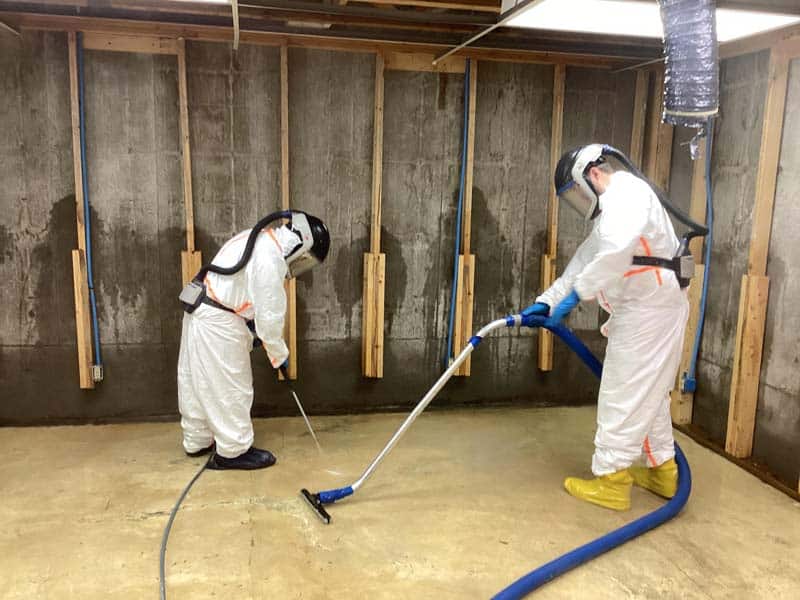
Extraction within the hour, structural drying to a documented dry standard, and moisture logs your adjuster will accept …
Explore
Recurring janitorial routes, post-construction fine cleaning and deep sanitising — by vetted crews who work around your …
Explore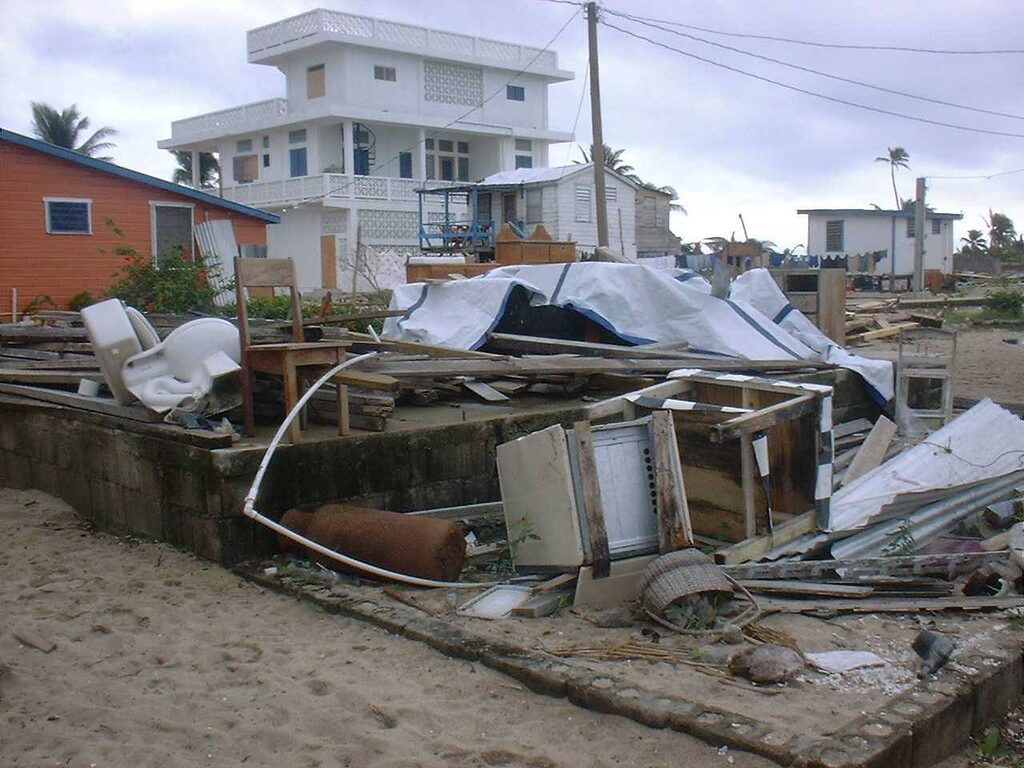
Pre-season hardening, pre-landfall staging and post-storm stabilisation — from tarping a roof at dawn to rebuilding an e…
ExploreTell us what happened and a coordinator will call you back within 15 minutes — day, night, weekend or holiday.