
Emergency extraction
Truck-mounted and portable units remove standing water and the water held in carpet padding and sub-floor assemblies.
Extraction within the hour, structural drying to a documented dry standard, and moisture logs your adjuster will accept without a phone call.
Burst supply lines, failed water heaters, appliance hoses, roof leaks, sprinkler discharge and storm intrusion all end the same way: water inside materials that were never designed to hold it. What separates a three-day job from a three-week demolition is how quickly the water is removed and how precisely the drying is controlled.
Our crews arrive with truck-mounted extraction, LGR dehumidifiers, thermal imaging and penetrating meters. We extract first — because moving liquid water is roughly a thousand times cheaper than evaporating it — then build a drying chamber sized to the actual moisture load, not to whatever equipment happened to be on the truck.
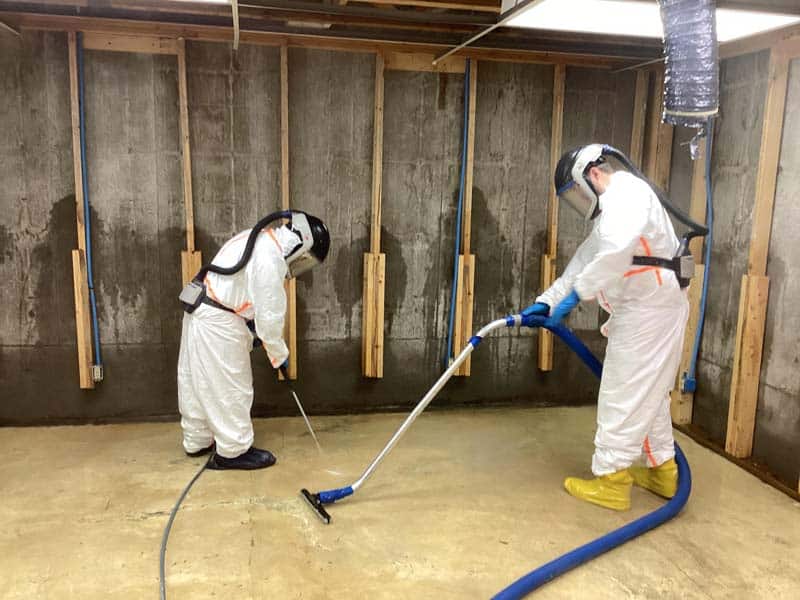
Truck-mounted and portable units remove standing water and the water held in carpet padding and sub-floor assemblies.
Air movers and LGR/desiccant dehumidifiers balanced to the moisture load, with the chamber contained and monitored.
Thermal imaging plus penetrating meters locate hidden water in wall cavities, under cabinets and beneath flooring.
Applied where the water category or dwell time requires it, using EPA-registered products.
Psychrometric readings, material moisture content and equipment run-hours recorded and shared every day.
Only where materials cannot reach the dry standard — cut lines are straight, measured and photographed.
We capture loss type, address, access and water source in under four minutes and dispatch the nearest crew.
Scene documented, power isolated where needed, then extraction begins — usually within minutes of arrival.
Chamber built, equipment balanced, readings logged daily until every material reaches its dry standard.
Final readings, equipment removed, completion report issued with the full documentation package.
| Category | Source | Typical outcome |
|---|---|---|
| Category 1 | Clean supply line, water heater, rain intrusion | Most materials dried in place; 3–5 day project |
| Category 2 | Appliance discharge, toilet overflow (no solids) | Carpet pad removed, drywall often saved, antimicrobial applied |
| Category 3 | Sewage, ground water, sea water, aged Cat 1/2 | Porous materials removed, containment required, longer timeline |
Inside our depot regions the target is 60 minutes from dispatch confirmation. Extraction begins as soon as the scene is documented and electrically safe — typically within ten minutes of arrival.
Often yes. Solid hardwood can be dried with floor-drying mat systems that pull moisture through the boards rather than off the surface. Engineered flooring with a compromised core, and any flooring exposed to Category 3 water, usually has to come out.
Three to five days for most residential losses. Dense materials such as plaster, concrete and hardwood extend that to seven to ten. We stop when readings match the dry standard, not when a calendar says so.
For Category 1 losses, usually not. Equipment is noisy and rooms are warm, but the space stays habitable. Category 3 losses and any job with containment mean occupants should stay elsewhere.
Over 2,400 completed projects and a 4.9/5 average rating across residential and commercial clients.
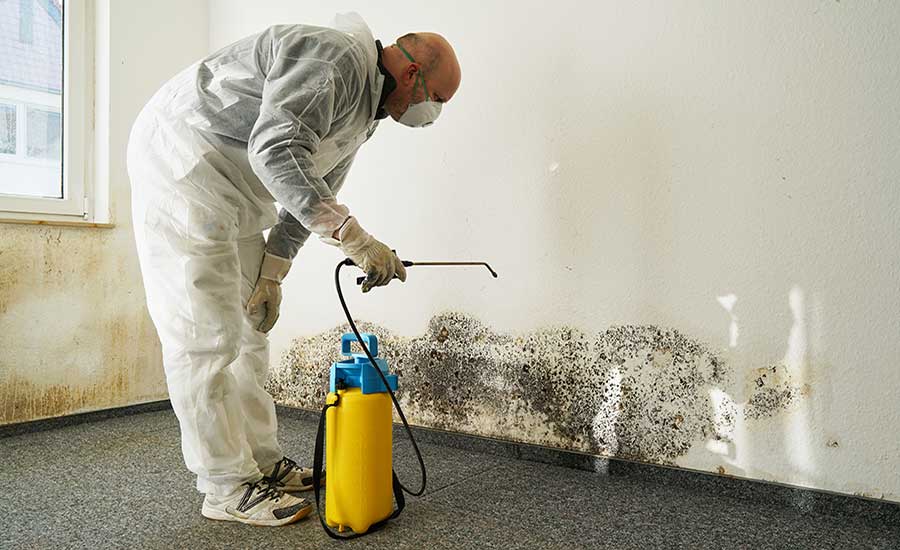
Containment, negative air, removal to IICRC S520 — and an independent third-party clearance test we deliberately do not …
Explore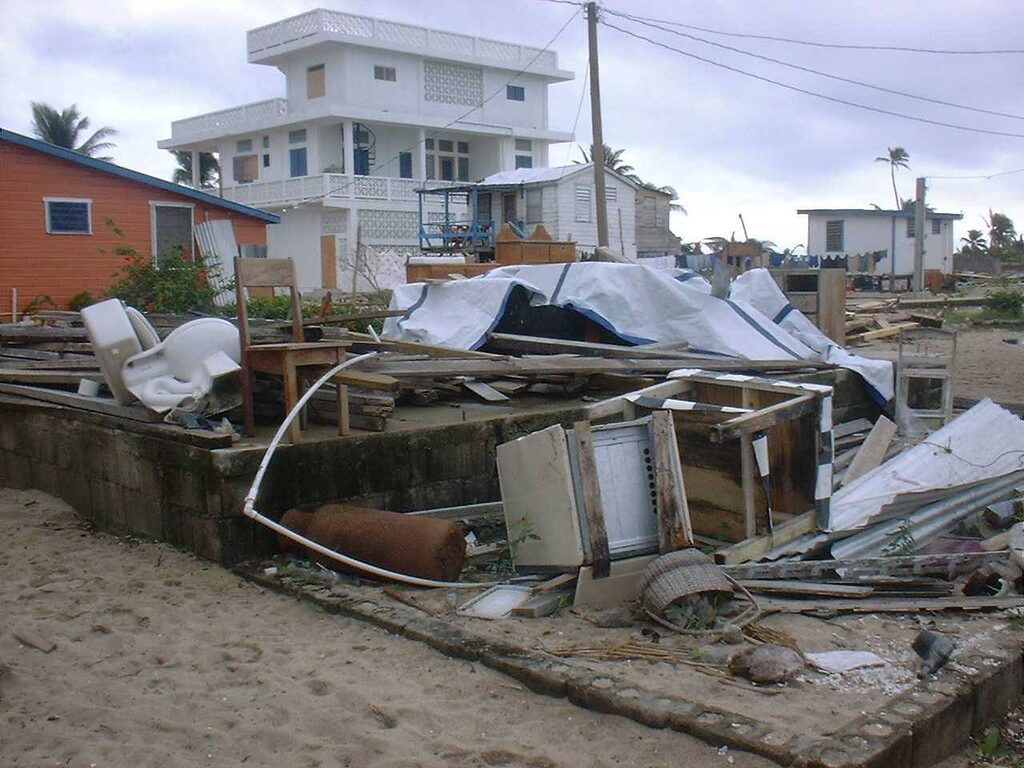
Pre-season hardening, pre-landfall staging and post-storm stabilisation — from tarping a roof at dawn to rebuilding an e…
Explore
Recurring janitorial routes, post-construction fine cleaning and deep sanitising — by vetted crews who work around your …
ExploreTell us what happened and a coordinator will call you back within 15 minutes — day, night, weekend or holiday.